Bituminous felt has been used in construction for a very long time. The first mention of materials with similar parameters and applications appeared as early as 200 years ago. The production of bituminous felt, as we know it today, developed in Germany in the post-war years. Since then, of course, many modifications have been introduced, and more advanced materials are used in its production. Bituminous felt is a very popular material used in construction for roofing and foundation insulation. But is it without its drawbacks, and can it be replaced with something better?

Currently, liquid waterproofing membranes are a significant and rapidly growing competitor to bituminous felts. These products are used in exactly the same places as felts and are easily replacing them in many projects. What is the reason for this?

Disadvantages of bituminous felt

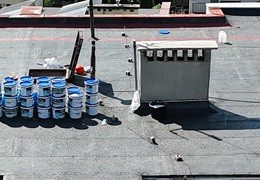
  • Weight – the roofing felt is heavy, it adds extra weight to the roof structure, especially when applying subsequent layers.
  • Difficult to install – requires welding or hot gluing, which is time-consuming and requires specialized equipment.
  • Low elasticity – becomes brittle, especially at low temperatures, which increases the risk of cracking.
  • Poor resistance to mechanical damage – easily punctured or worn.
  • Difficulty locating leaks – in the event of a leak, it is very difficult to determine exactly where the problem is.
  • Costly disposal – roofing felt is hazardous waste that must be disposed of specially.
  • Limited durability – typically 10–15 years, then requires replacement or major repairs.

Advantages of liquid waterproofing membranes

Homogeneous coating, without joints

This is perhaps the most important and frequently raised issue when comparing bituminous felt with liquid waterproofing membranes. Bituminous felt roofing always has many joints and requires very precise machining around chimneys and skylights. These areas are usually the first to develop leaks. These leaks are very difficult to locate because the water may find its way out at a point far from the leak.

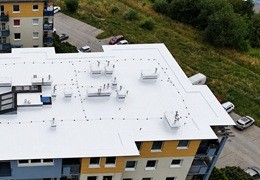
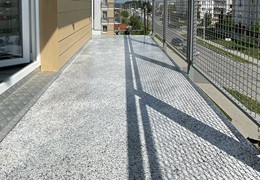
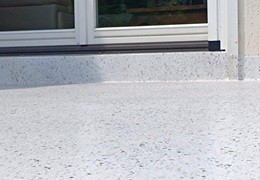
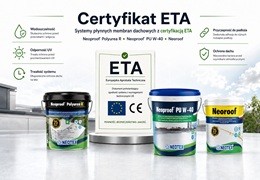
Liquid waterproofing membranes, such as Neoproof PU W-40 or Neoproof Polyurea R , create a uniform, continuous coating on the roof, without any joints. This creates a "sealed bathtub," minimizing the risk of leaks at critical points to virtually zero.

pu in 40_3

Tightness and resistance to water stagnation

This was already described in the previous point, but it's worth emphasizing again – the coating is completely waterproof. The waterproofing membranes we offer, such as Neoproof Polyurea R or Neoproof PU W-40 , are completely resistant to stagnant water, which can be crucial if roof slopes have been improperly designed and puddles form. These membranes also feature zero water absorption. This mysterious parameter, in practice, means there are no micropores where water could collect in winter and freeze, causing micro-damage to the membrane.

Ease of application

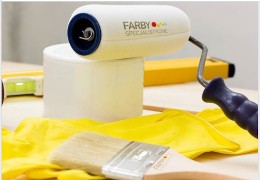
Liquid waterproofing membranes are easy to use and apply, and require no special equipment. Liquid membranes can be applied using a roller or brush.

liquid waterproofing membranes 2
liquid waterproofing membranes 1

Security

Installing felt involves the use of an open flame, which can cause a fire on the construction site. This problem does not occur with liquid waterproofing membranes.

Shorter application time

We can cover even large roof areas in a relatively short time.

Cold Roof Effect

Liquid waterproofing membranes are typically available in light colors (whites and grays) and significantly reduce the temperature on the roof and in the rooms beneath it. This allows for savings on air conditioning costs. It also contributes to the durability of the entire roof structure, which is not exposed to excessive overheating and the stresses associated with it.

UV resistance

The bitumen contained in roofing felts will lose their properties after some time of exposure to UV radiation, reducing the elasticity of the entire covering. Liquid waterproofing membranes are fully UV-resistant, allowing them to maintain their properties for many years – the durability of roofing made with them can be up to 30 years!

Flexibility

Liquid waterproofing membranes are characterized by high elasticity – up to 410%! This is the elongation at break at a tensile force of 9.8 N/m² for the Neoproof Polyurea C1 .

Can be applied to a variety of substrates

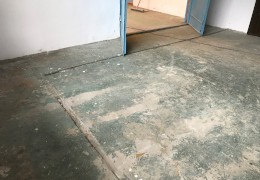
Neoproof PU W-40 or Neoproof Polyurea can be applied to a variety of substrates – concrete, felt, metal, tiles, PVC membranes, and PUR foam. While some require a specific primer, we can create a waterproofing system for any problem. When renovating a roof, there's no need to remove the old roof covering (if it's still in relatively good condition), saving time and money.

Easier repairs

The need for minor renovations isn't likely to arise anytime soon, but if it does arise, renovation involves local repainting. No additional special equipment is required. A paint roller will suffice.

As you can see, liquid waterproofing membranes offer many advantages over the long-established bituminous felt. They are definitely worth considering when planning a roof renovation or terrace waterproofing.

Roof protection membranes available in our offer

Neoproof Polyurea

A line of two-component polyurea membranes for cold application—brush, roller, or airless spray. A major advantage of these coatings is their resistance to early rainfall (even after just one hour!), meaning you don't have to worry about the weather during the job.

Neoproof PU W-40

A single-component, water-based liquid membrane. Easier to apply and user-friendly because it contains no solvents.

Neoroof

The membrane is certified for solar reflectivity (white). It reflects as much as 88% of solar radiation! However, it's worth remembering that changing the roof color from black (tar paper) to even gray will significantly affect the temperature on and under the roof.

polyurea r_5