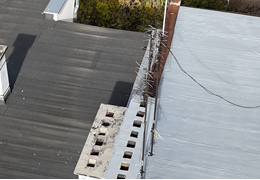
Roof waterproofing is a key element in protecting a building from moisture and water. Properly installed waterproofing provides long-lasting protection, prevents structural damage, and extends the life of the roof covering. Below, we present the methods used to install waterproofing, as well as how to properly maintain it.
What is roof waterproofing?
Roof waterproofing is the process of protecting roof surfaces from water and moisture infiltration. It involves the use of dedicated materials, such as resin-based liquid membranes , which create a tight barrier that protects the building from leaks and water damage.
Why does a roof need waterproofing?
The roof is the most exposed part of a building to weather conditions. Rain, snow, frost, and intense solar radiation can lead to:
mechanical damage,
leaks,
the formation of mold and fungi inside the building.
Roof waterproofing provides effective protection against these threats.
What are the consequences of lack of proper insulation?
Lack of proper roof waterproofing can lead to many problems, such as:
damage to the roof and wall structure,
leaks in attic rooms,
formation of moisture and fungus,
reduction in the energy efficiency of the building,
the need for expensive repairs.
Types of roof waterproofing
Depending on the type of roof and its construction, different waterproofing methods are used:
Bituminous waterproofing
Bituminous materials, such as asphalt felt, are a traditional solution for roof waterproofing. They are characterized by durability and ease of application. Repairs are most often performed by locally applying an additional layer of felt, which adds stress to the building structure. Repeatedly applied during renovations over many years, it significantly increases structural stress. The cost of disposing of the felt is also significant compared to other methods popular today.
Liquid waterproofing
Liquid waterproofing membranes are applied as a coating that cures to form a tight membrane. This solution is particularly useful for complex roof shapes and flat roofs.
Products:
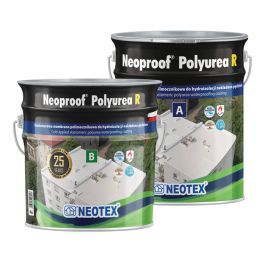
Neoproof® Polyurea R – a durable, flexible polyurea coating that performs perfectly on roofs exposed to high weather conditions. The product is resistant to early rainfall, making it suitable for application in unpredictable weather conditions.
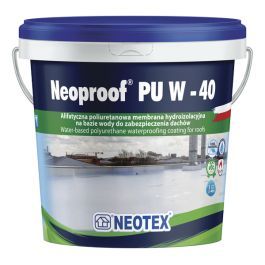
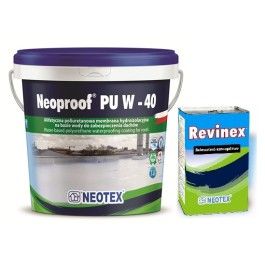
Neoproof® PU W -40 – a highly flexible water-based polyurethane membrane, ideal for flat roofs. This single-component product, thanks to its design, is easy to apply, requiring only a roller.
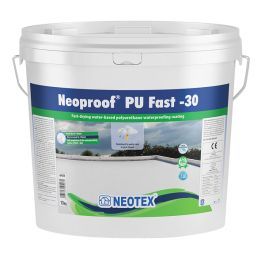
Neoproof® PU Fast -30 – a fast-drying polyurethane product designed for rapid application on a variety of surfaces. This liquid membrane also withstands early rainfall and, thanks to its short curing time, allows for completion within a single day.
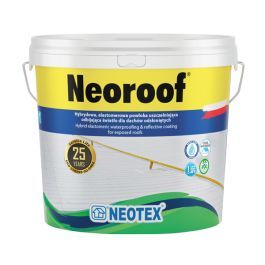
Neoroof® – a product based on acrylic resins, resistant to UV radiation and perfect for roofs exposed to intense sun.
Advantages of roof waterproofing
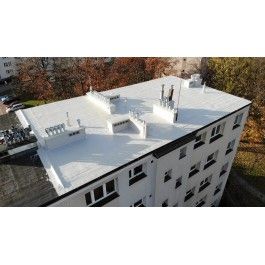
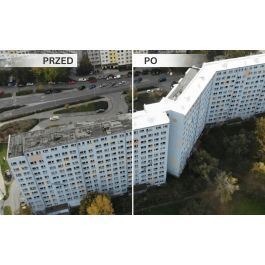
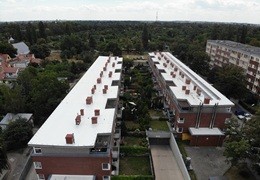
Roof waterproofing using liquid membranes offers many benefits. These include lowering the temperature of the roof and upper-floor apartments thanks to the use of light-colored liquid waterproofing membranes that effectively reflect sunlight. Reflected rays, in turn, increase the efficiency of photovoltaic panels. Furthermore, the benefits of waterproofing include:
Roof protection against moisture and leaks
Thanks to waterproofing, the roof is resistant to water penetration, preventing damage to the building's structure and interior. This improves the overall comfort of the building for residents living on the top floors.
Extending the life of the roof covering
A well-protected roof using liquid waterproofing membranes, such as those from the Neoproof®Neotextile® reinforcing fabric .
How to prepare a roof for waterproofing?
Proper roof preparation is crucial to effective waterproofing. The process involves several steps:
Surface cleaning
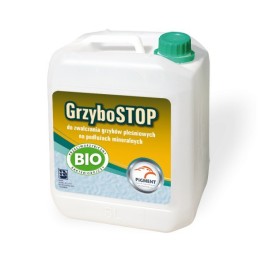
Removing contaminants such as dust, leaves, and moss is essential before starting work. If even the beginnings of mold appear on the surface, it's worth using a fungicide like GrzyboStop . This product not only helps effectively remove existing mold but also neutralizes mycelium spores that could develop in the future under favorable weather conditions. It's also a good idea to degrease the roof covering with Sulfanol A.
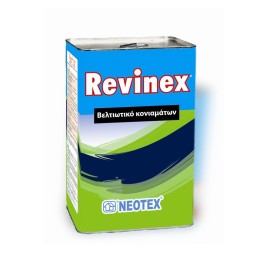
Before applying water-based membranes such as Neoproof® PU W -40 , Neoroof® , or Neoproof® PU Fast -30 , the surface should be primed with Revinex® . Priming ensures better adhesion and durability of the coating. Neoproof® Polyurea R, on the other hand, can be applied directly to felt, without primer. Primers should always be selected for the surface to which the liquid waterproofing membrane will be applied.
How to waterproof a roof?
The waterproofing process depends on the method chosen, but the general steps are similar. The individual steps are outlined below.
Securing joints
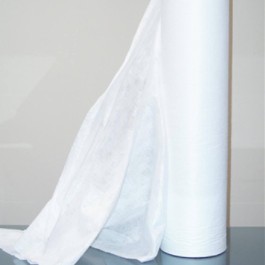
Neotextile® nonwoven fabric is used for this purpose , and is applied wet-on-wet.
Applying the insulating layer
The insulating material should be applied evenly across the entire roof surface, paying particular attention to joints and edges. The second layer of the product should be applied crosswise, i.e., in the opposite direction from the first layer of liquid waterproofing membrane.
Hardening of the coating
Liquid waterproofing membranes require adequate curing before exposure to rain. Products such as Neoproof® Polyurea R and Neoproof® PU Fast -30 are rain-resistant after just one hour. Other products are rain-resistant after at least 24 hours. Resin waterproofing membranes take anywhere from a few hours to as long as 7 days to fully cure, depending on the product and the prevailing weather conditions.
Product offer
Active filters
NOTE: THIS IS A WATER-BASED PRODUCT. Select temperature-controlled shipping to receive your product on the promised date, regardless of weather conditions. Standard shipping may be delayed due to temperatures below 5°C encountered along the delivery route.
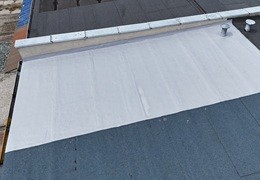
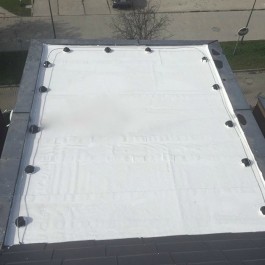
A liquid, UV-cured roof waterproofing membrane. Suitable for all roofing types, including roofing felt . The white coating perfectly reflects solar radiation (up to 88%) and reduces roof temperatures by up to 40% . It provides complete sealing and weather resistance.
Neoroof liquid membrane has a European Technical Assessment (ETA 24/1246) and is classified in the highest durability class W3 (according to EAD 030350-00-0402), which confirms its expected service life of up to 25 yearsin a reinforced system (1.2 mm).
NOTE: THIS IS A WATER-BASED PRODUCT. Select temperature-controlled shipping to receive your product on the promised date, regardless of weather conditions. Standard shipping may be delayed due to temperatures below 5°C encountered along the delivery route.
Single-component roof waterproofing for cold application. Recommended for roofs covered with felt , concrete flat roofs, and metal roofs. Resistant to UV and mechanical loads. Creates a smooth, uniform waterproofing layer without joints, resistant to a wide temperature range from -40°C to +80°C . It has solar reflective and "cool roof" properties, confirmed by the Cool Material certificate (white).
Revinex primer should be used on the roofing felt !
NOTE: THIS IS A WATER-BASED PRODUCT. Select temperature-controlled shipping to receive your product on the promised date, regardless of weather conditions. Standard shipping may be delayed due to temperatures below 5°C encountered along the delivery route.
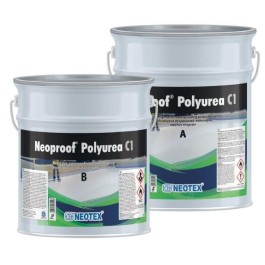
A two-component, cold-applied polyurea waterproofing membrane for roofs, terraces, or balconies. Rainproof within 1 hour of application. It prevents moisture absorption and seals. Resistant to UV radiation and mechanical damage.
Neoproof Polyurea R has a European Technical Assessment (ETA 24/1247) and is classified in the highest durability category W3 according to EAD 030350-00-0402, which confirms an expected service life of up to 25 years.
Neoproof Polyurea R liquid roof membrane is root resistant (according to CEN/TS 14416:2014 ), external fire resistanceEN 13501-5 . Polyurea R is classified as Broof (t1) and has certified "cool roof" properties (Cool Material ).
NOTE: THIS IS A WATER-BASED PRODUCT. Select temperature-controlled shipping to receive your product on the promised date, regardless of weather conditions. Standard shipping may be delayed due to temperatures below 5°C encountered along the delivery route.
It strengthens cement mortars and can be used as a primer for water-based paint coatings, for repairing concrete structures or strengthening tile adhesives.
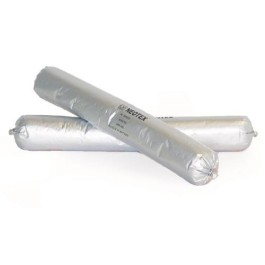
Reinforces waterproofing membranes. Suitable for bonding vertical-to-horizontal joints and for bonding various substrates before applying a membrane, such as felt-to-metal.
NOTE: THIS IS A WATER-BASED PRODUCT. Select temperature-controlled shipping to receive your product on the promised date, regardless of weather conditions. Standard shipping may be delayed due to temperatures below 5°C encountered along the delivery route.
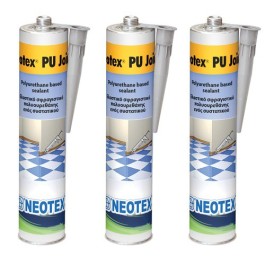
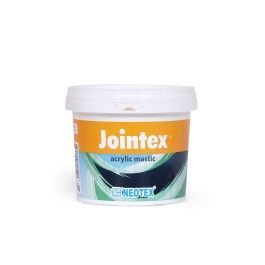
A filler for joints and gaps. It adheres to the substrate, is weather-resistant, and can be repainted. Recommended for use under flexible roof coatings.
A two-component waterproofing membrane for application to smooth surfaces. Rainproof in just 2 hours after application . Creates a coating resistant to moisture and mechanical damage. Perfect for roofs, balconies, and terraces.
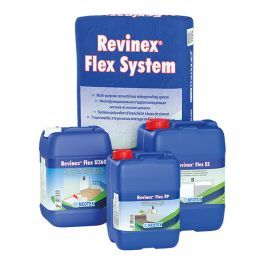
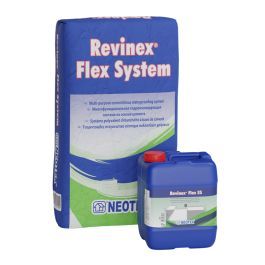
Revinex® Flex System is a multi-purpose cementitious waterproofing system for flat roofs, wet rooms, balconies, and terraces. Its functionality varies depending on the type of component B used, allowing the product to be adapted to various needs. Its functionality varies depending on the type of component B used, allowing the product to be adapted to various needs. It is ideal as a waterproofing layer under tiles and for bridging cracks and fissures in the substrate.
The cost depends on the type of materials used, the roof surface, and the complexity of the work. The average cost ranges from several dozen to over a hundred zlotys per square meter. Roof waterproofing is an investment that brings long-term benefits. Properly installed, it protects the building from moisture and leaks, ensuring the comfort and safety of its occupants.
Can you do waterproofing yourself?
keyboard_arrow_downkeyboard_arrow_up
Doing waterproofing yourself is possible, but requires appropriate knowledge and skills. For larger roofs or complex structures, it's best to seek the services of specialists.
What materials work best for waterproofing?
keyboard_arrow_downkeyboard_arrow_up
The best material depends on the roof type. Products such as Neoproof® Polyurea R , Neoproof® PU W -40 , and Neoproof® PU Fast -30 are modern, highly durable solutions. They perform well on exposed flat roofs and a variety of substrates, from felt to concrete to metal.





 Anti-corrosion
 Fireproof
 Resin floors
 Roofs
Roofs
 Tanks and pools
 Terraces and balconies
 Hygienic paints
 Facades and interiors
 Accessories
 Call:
Call:

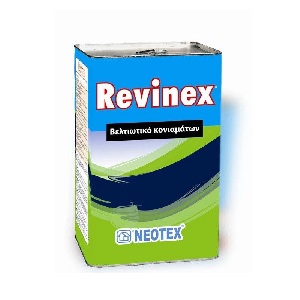 primer should be used on the roofing felt