




 Anti-corrosion
 Fire retardant
 Resin floors
 Roofs
Roofs
 Tanks and swimming pools
 Terraces and balconies
 Hygienic paints
 Facades and interiors
 Accessories
 Call:
Call:
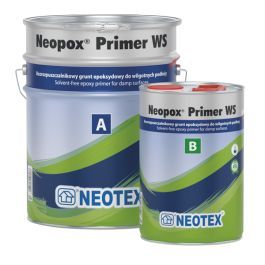
- Product
- Priming
Solvent-free, epoxy primer strengthening cement substrates. For internal and external use.
From PLN 606.08

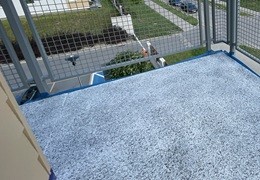
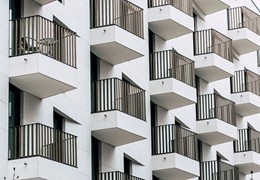
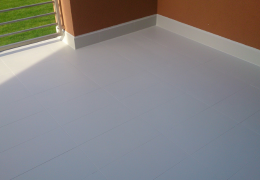
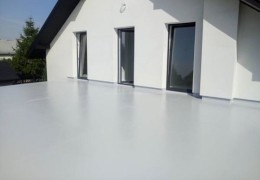
Polyurethane resin for balconies is a modern solution that provides effective waterproofing and an aesthetically pleasing surface finish. Thanks to its unique properties, it is becoming an increasingly popular choice among apartment and house owners.
Polyurethane resin is a synthetic polymer material that, when applied, creates a durable and flexible coating. It is valued for its excellent mechanical and chemical properties, making it an ideal material for outdoor applications such as balconies and terraces.
While both polyurethane and epoxy resins are popular surface finishing materials, they differ in several key characteristics:
Thanks to its flexibility, polyurethane resin can accommodate minor movements in the substrate, minimizing the risk of cracking and surface damage. Floortop 1K .
By creating a tight coating, polyurethane resin effectively protects the balcony from water ingress, preventing moisture-related problems such as mold and corrosion.
Polyurethane resins such as Neodur® Special are resistant to UV radiation, rain, snow, and temperature fluctuations, ensuring long-term durability and a pleasant surface appearance. Additionally, they can be colored according to the RAL palette, allowing for a specific visual effect that will last for years.
Substrate preparation is crucial to ensuring the durability and effectiveness of a polyurethane resin coating. Here are the steps to follow:
Make sure the balcony surface is stable, clean, and dry. Remove any loose debris, grease, oil, and other contaminants. If oil stains are present, use a concrete degreaser like Sulfanol A.
It's essential to fill cracks and voids with appropriate repair materials to achieve a smooth and even surface. Ready-made epoxy-based repair compounds, such as Epoxol® Putty , Epoxol® Liquid , or the quick-drying Neodur® FT Putty . Alternatively, you can prepare your own resin repair compound by adding fine quartz sand to a primer, such as Epoxol® Primer SF-P .
Before applying the resin, it's a good idea to sand the floor to ensure better adhesion of the resin to the substrate. The sanding quality should be selected based on the thickness of the entire system being applied. This is measured on the CSP scale.
The next step is to apply a suitable primer, which will increase the resin's adhesion and ensure a better bond with the substrate. In Poland's climate, it's difficult to achieve the often-required 4% dryness of outdoor concrete. Therefore, Neopox® Primer WS Neopox® Primer AY is applied , which seals off capillary moisture.
The process of applying polyurethane resin requires precision and the right tools. Here are the steps to follow:
Gather all the necessary tools, such as rollers, brushes, mixers, and the appropriate amount of your chosen polyurethane resin. You may also need a tray, paint sheet, or extra buckets for pouring the resin.
Mix the resin thoroughly according to the manufacturer's instructions to achieve a uniform consistency. It is recommended to pour the resin into a clean container after initial mixing to ensure that any hardener on the walls is evenly distributed throughout the base.
After applying the primer and leveling the surface, the first layer of polyurethane resin is applied. The resin layer is spread evenly across the balcony surface, ensuring all areas are covered.
The first layer must dry according to the manufacturer's recommendations before applying the next layer. This will allow the coating to cure properly and create adequate adhesion for the remaining elements of the entire balcony system.
Depending on requirements, subsequent layers of resin are applied, ensuring adequate drying time between them.
Solvent-free, epoxy primer strengthening cement substrates. For internal and external use.
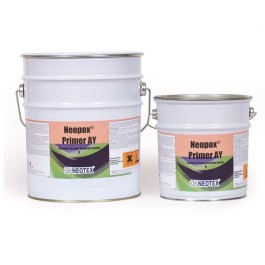
Solvent-free epoxy primer intended for use on concrete in the absence or incorrectly performed moisture insulation.
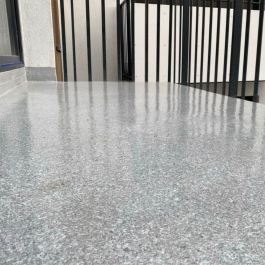
One-component polyurethane resin for use as a sealing layer on floors. It can be used outdoors because it is resistant to UV radiation.
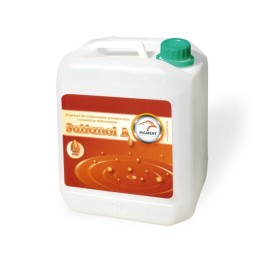
For cleaning concrete, roof tiles and metal before applying paint coatings. Requires rinsing with water.
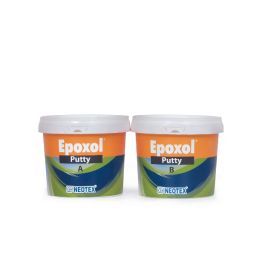
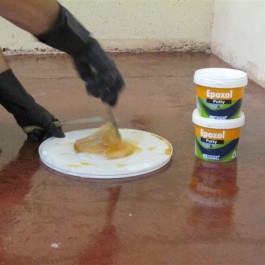
Two-component putty for a wide range of applications. Depending on the mixing ratio of the ingredients, you can obtain a flexible, hard or very hard mass. Recommended for metal, concrete, wood and ceramics. Also for car and yacht repairs.
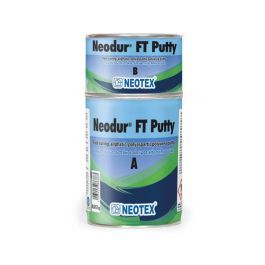
Mass for filling holes, gluing and repairing floors and walls. It allows sanding and repainting within 2 hours after application.
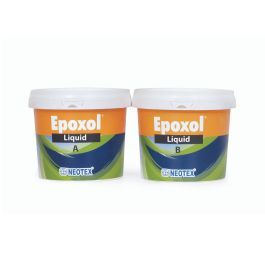
Putty for filling small holes or gaps on larger surfaces. It has greater plasticity than Epoxol Putty. Depending on the mixing ratio, three degrees of mass elasticity can be obtained.
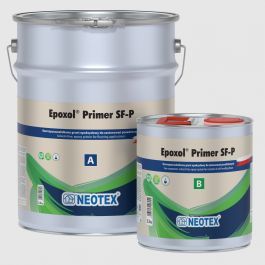
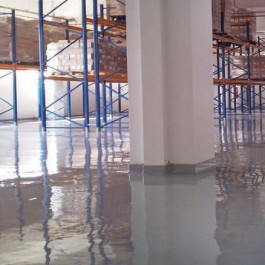
Epoxy resin for use as a primer or construction resin. A solvent-free product for priming walls and floors and creating the so-called epoxy screeds.
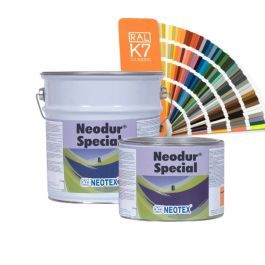
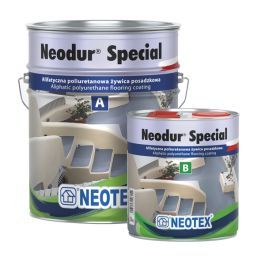
Polyurethane resin resistant to UV radiation and other atmospheric factors. Provides high mechanical and chemical resistance.
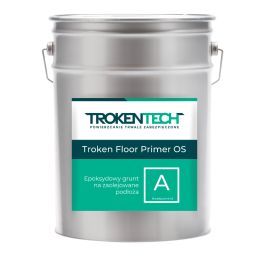
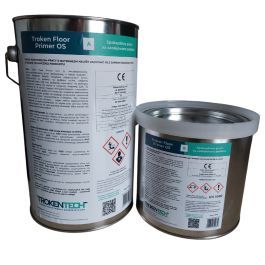
Two -component, non -release epoxy soil for dry and oiled concrete substrates. Strengthens the substrate, creates an adhesive layer, adheres perfectly to the concrete surfaces.
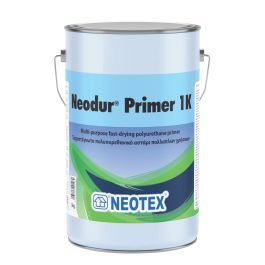
A single-component polyurethane primer designed for surface preparation before applying resin systems. Ideal for asphalt , cement , and metal . Quick-drying and flexible , it provides excellent adhesion and shortens project implementation time.
To maintain the durability and aesthetics of a polyurethane resin coating, regularly clean the surface with water and a mild detergent. Generally, the use of harsh chemicals is prohibited, as they can damage the protective layer.
Yes, polyurethane resin is resistant to high temperatures and changing weather conditions. Thanks to this property, it does not lose its properties under the influence of intense sunlight or frost.
Some recommended products include Neodur® Special and Floortop 1K. These are high-quality polyurethane coatings with excellent mechanical and waterproofing resistance, ideal for use on balconies.
Polyurethane resin is a better choice for balconies because it is more flexible and UV-resistant than epoxy. Epoxy is primarily used indoors, where it is not exposed to weather, or as a primer for polyurethane coatings.


Proven products
Here you will find products with high strength and technical parameters. Thanks to this, you can enjoy long-lasting effects.

Help in choosing
Are you wondering which products will be best for your needs? Call us - we will advise you and choose the right solution.

Contractor support
Do you need help with construction work? Let us know and we will recommend proven contractors.

Stationary points
Do you want to collect the products in person? Or maybe you prefer to talk live? Visit our branch in: Warsaw, Wrocław, Katowice or Gdańsk.

Wholesale orders
Are you looking for systems and products for investment? Send your phone number. We will call you back with an offer including an investment discount.