




 Anti-corrosion
 Fireproof
 Resin floors
 Roofs
Roofs
 Tanks and pools
 Terraces and balconies
 Hygienic paints
 Facades and interiors
 Accessories
 Call:
Call:
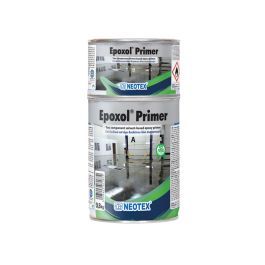
Solvent-based epoxy primer for epoxy paints and polyurethane resins. For use on floors and walls, where high mechanical and chemical resistance is required.
From 613.19 PLN

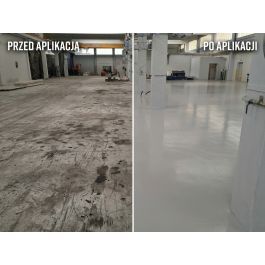
Resin floors are becoming increasingly popular among those seeking durable, aesthetic, and functional interior solutions. Resin floors offer a wide range of advantages, making them ideal for both domestic and commercial spaces, including industrial applications.
Resin flooring is a finishing material used on various surfaces, made from synthetic polymers such as epoxies , polyurethanes , and polyureas . It is characterized by high resistance to mechanical damage, moisture, and chemicals, making it an ideal choice for demanding applications.
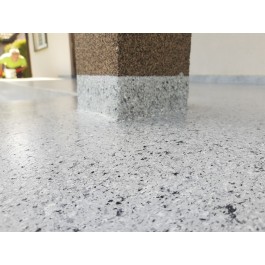
The resin creates a uniform, smooth surface that can be finished in various finishes, from matte to glossy. Thanks to the ability to dye and add decorative elements such as decorative flakes liquid granite imitation , resin flooring allows for unique visual effects.
Resin floors offer many benefits that make them an attractive solution for a variety of interiors:
Resin floors are used in a wide variety of applications, both in residential and industrial settings. Here are a few examples:
Resin floors can be made from a variety of materials, each with its own specific characteristics and applications.
Epoxy is one of the most popular options, known for its exceptional durability and chemical resistance. It's ideal for industrial applications and areas where floors are subject to heavy use. Epoxy floors are designed for heavy loads, so they can withstand the impact of forklifts, trucks, and other heavy equipment.
Polyurethanes are characterized by flexibility and UV resistance, making them an excellent choice for sunny locations and outdoor surfaces. Their structure is more flexible than hard epoxies. They can often be used interchangeably, but in some cases, polyurethanes are the first choice due to the more flexible nature of the surface they create.
Polyureas cure quickly, which is their greatest advantage in situations where project completion time is crucial. They are resistant to changing weather conditions. An additional advantage of this type of resin is the low temperature at which the curing process takes place. Both epoxies and polyurethanes typically require temperatures around 10°C or higher for proper curing, while polyureas, also known as polyaspartates, require temperatures of +5°C or even lower! This makes it possible to work in challenging conditions, such as the low temperatures experienced in autumn, winter, or early spring.
Substrate preparation is a crucial step in creating a resin floor. This step will determine the floor's appearance, as well as the adhesion of the resin coating. Here are the steps to take:
Resin floors are easy to clean , but they require proper care to maintain their appearance and performance for years to come. Here are some top tips:
Solvent-based epoxy primer for epoxy paints and polyurethane resins. For use on floors and walls, where high mechanical and chemical resistance is required.
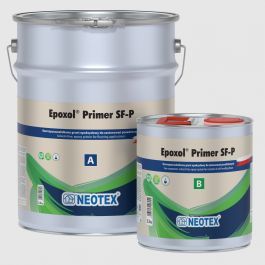
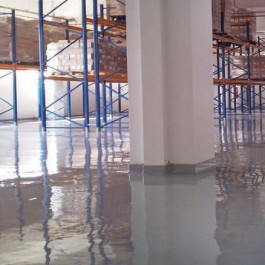
Epoxy resin for use as a primer or structural resin. A solvent-free product for priming walls and floors and creating epoxy screeds.
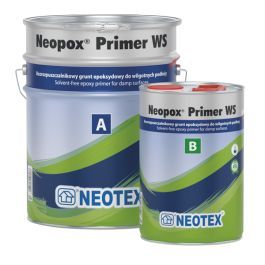
A solvent-free, epoxy primer that strengthens cementitious substrates. For interior and exterior use.
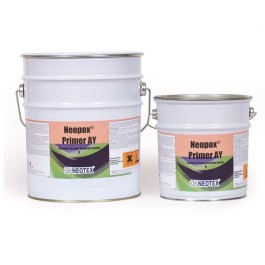
Solvent-free epoxy primer intended for use on concrete with no or improperly installed damp proofing.
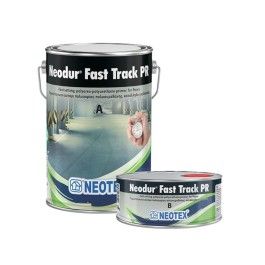
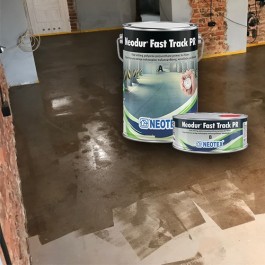
A systemic primer for use under Neodur Fast Track polyurea/polyaspartic flooring resin. It can be applied at low temperatures, down to -10°C. It allows for the application of the surface within 3 hours of applying the primer (at +25°C).
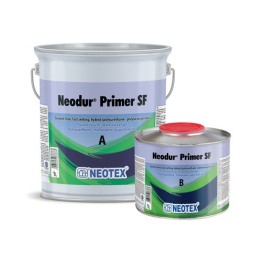
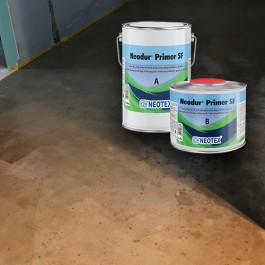
A hybrid primer (polyurethane-polyurea) that allows for topcoat application in just 3 hours. It provides high mechanical and chemical resistance.
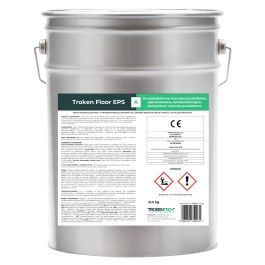
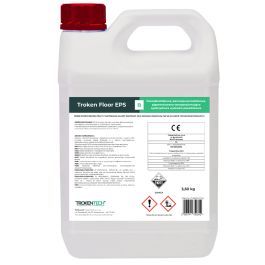
Troken Floor EPS is a self-leveling, two-component epoxy screed that also creates a scratch coat. This solvent-free product features low VOC emissions and high mechanical resistance, characterized by a gray tint. It is ideal as part of a resin flooring system in residential, industrial, and public spaces.
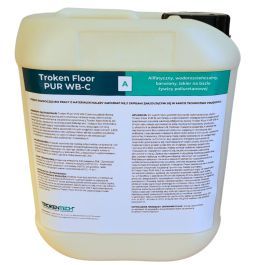
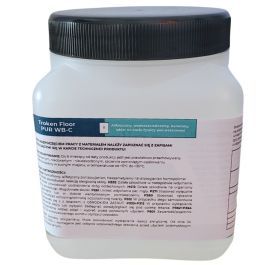
Troken Floor PUR WB-C is a two-component, water-based, colored coating with a satin finish based on polyurethane resin. It is characterized by full UV resistance and bacteriostatic properties. It is designed to create a topcoat in the Troken Floor PUR SL 60 .
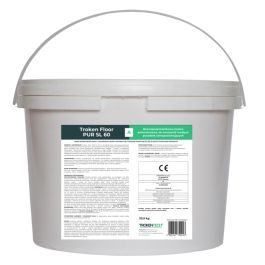
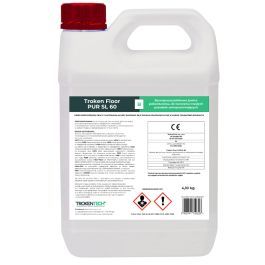
Troken Floor PUR SL 60 is an aromatic, odorless, two-component, flexible polyurethane coating designed for industrial and decorative floors in residential and public buildings. This self-leveling product has self-venting properties. The coating is highly mechanically and chemically resistant, and available in a variety of colors.
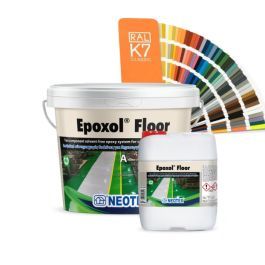
Epoxy resin for floor screeds. Self-leveling and solvent-free, resistant to chemicals (alkalis, diluted acids, gasoline, oils, and many solvents), it is available in a wide range of RAL colors. It has a Greek hygiene certificate and is certified for contact with food and alcohol, making it suitable for use in food production and processing areas.
A two-component, solvent-based flooring resin ideal for industrial applications. It creates highly mechanically and chemically resistant coatings. It is easy to clean and repels dirt.
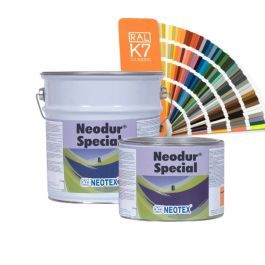
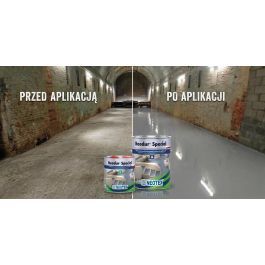
Polyurethane resin is resistant to UV radiation and other atmospheric factors. It provides high mechanical and chemical resistance.
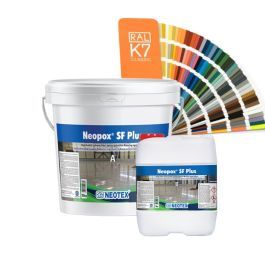
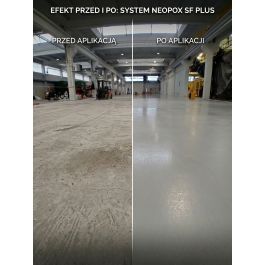
It provides very high chemical and mechanical resistance. The resin can be applied in thick layers – up to 190 microns in a single layer.
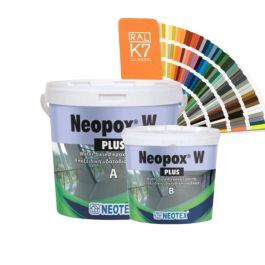
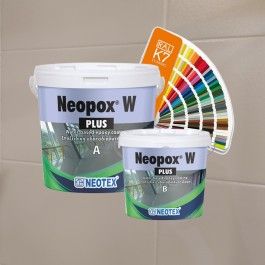
An epoxy coating for floors and walls, as well as for covering mineral substrates or repainting tiles. Suitable for use in food processing plants.
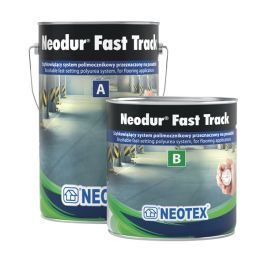
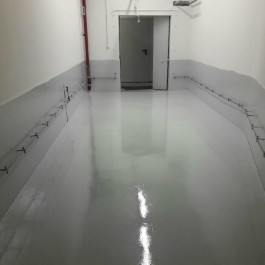
A polyaspartic/polyurea flooring resin that allows for application of the entire system within 8 hours. It provides a coating with high mechanical resistance. It cures at lower temperatures, even down to -10°C .
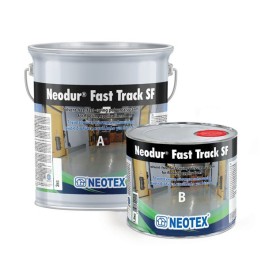
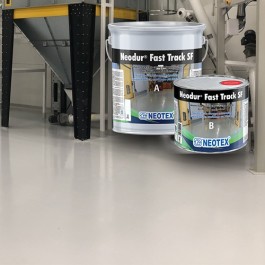
Solvent-free, high-build polyurea/polyaspartic resin. Complete system (primer + two resin coats) in 9 hours (at 25°C). Can also be applied at low temperatures, down to -10°C .
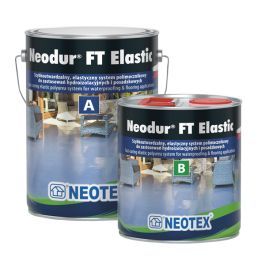
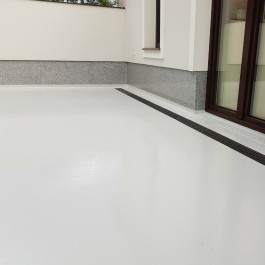
A polyaspartic resin that provides waterproofing and aesthetics on terraces and balconies. Resistant to weather conditions and UV radiation.
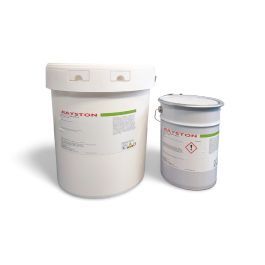
A two-component, water-based aliphatic resin. Creates a hard, abrasion-resistant surface.
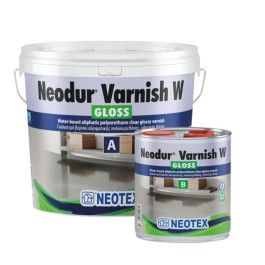
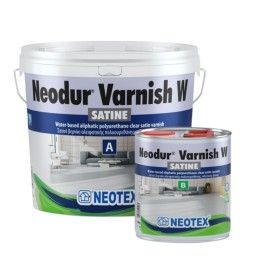
A varnish for protecting resin, concrete, microcement, and brick floors. UV-resistant – non-yellowing. Available in three finishes: Matte, Satin, and Gloss.
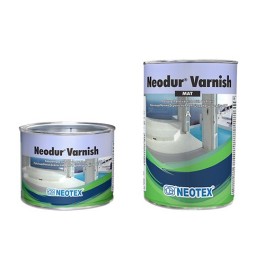
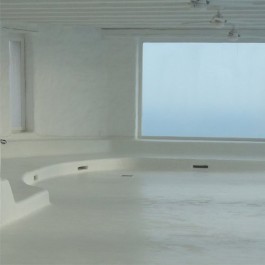
Polyurethane varnish for walls and floors. Protects concrete, brick, and resins. Available in two finishes: glossy and semi-matte. UV-resistant.
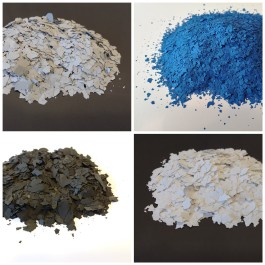
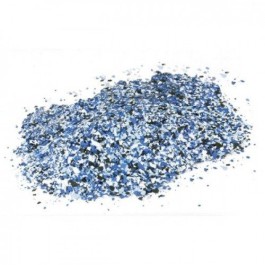
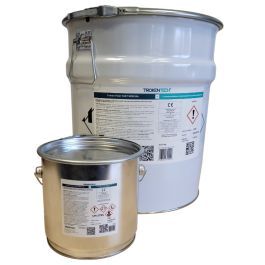
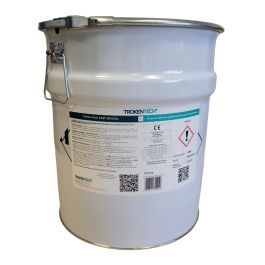
Troken Floor FAST Special is a high-build, fast-curing, self-leveling epoxy resin designed for industrial applications and decorative projects requiring a perfectly smooth surface. The product allows for the application of 1 to 15 mm of resin in a single layer. It is characterized by very low volatile organic compound (VOC) emissions, making it virtually odorless.
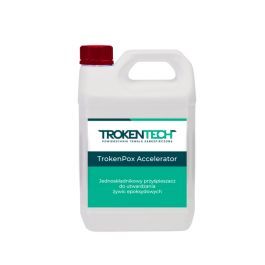
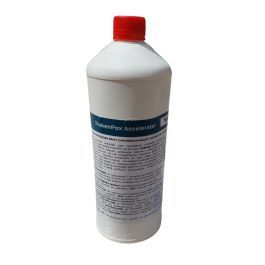
TrokenPox Accelerator is a specialized primer additive designed to accelerate the curing process of epoxy resins. It shortens epoxy curing time by up to 6 hours, even at low temperatures.
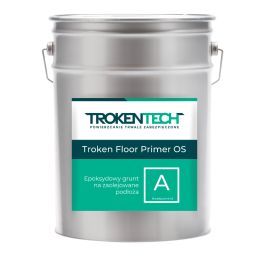
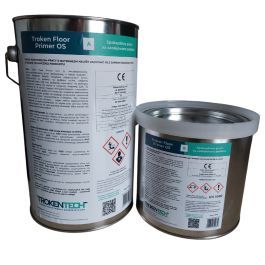
A two-component, solvent-free epoxy primer for dry and oiled concrete substrates. It strengthens the substrate, creates a bonding layer, and adheres perfectly to concrete surfaces.
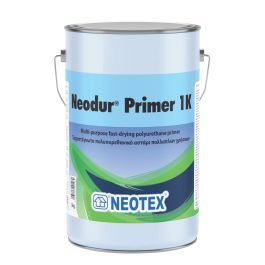
A single-component polyurethane primer designed for surface preparation before applying resin systems. Ideal for asphalt , cement , and metal . Quick-drying and flexible , it provides excellent adhesion and shortens project implementation time.
Resin floors are highly scratch-resistant. However, like any floor, resin floors can be scratched, especially in heavily used areas. It's recommended to use pads under furniture and avoid sliding heavy objects directly across the floor. For additional protection, a resin-based varnish can strengthen the floor against scratches.
To prevent cracking, carefully prepare the substrate, avoid excessive loads, and follow the manufacturer's application recommendations. If there are expansion joints in the concrete substrate, they should be reconstructed to allow the concrete to move freely and prevent excessive stress on the resin floors.
Resin floors can be slippery, especially with a high-gloss finish. In such cases, it's worth using anti-slip coatings. Anti-slip properties can be achieved by adding special microbeads or filling them with quartz sand.
Yes, you can lay tiles on a resin floor, provided it's properly prepared. The surface of a resin floor is smooth, so tile adhesive won't have the necessary adhesion to work with the resin. Therefore, it's necessary to, for example, cover the wet resin with sand or perform other work later to increase the adhesion of the tile adhesive.
Yes, resin works perfectly with underfloor heating, ensuring even heat distribution. However, it's important to remember that underfloor heating can only be used after the coating has fully cured, which for many resins can take up to 7 days.
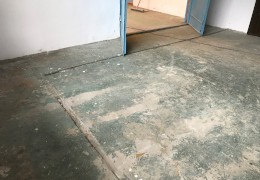
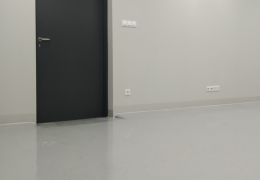

Proven products
We offer products with high durability and technical parameters, ensuring long-lasting results.

Help in choosing
Wondering which products will best suit your needs? Call us – we'll advise you and choose the right solution.

Contractor support
Need help with construction work? Let us know, and we'll recommend trusted contractors.

Stationary points
Want to pick up your products in person? Or perhaps you'd prefer to chat face-to-face? Visit our branches in Warsaw, Wrocław, Katowice, or Gdańsk.

Wholesale orders
Looking for systems and products for investment? Send us your phone number and we'll call you back with an offer including an investment discount.