




 Roofs
Roofs
 Resin floors
 Tanks and pools
 Terraces and balconies
 Anti-corrosion
 Hygienic paints
 Fireproof
 Facades and interiors
 Accessories
 Call:
Call:
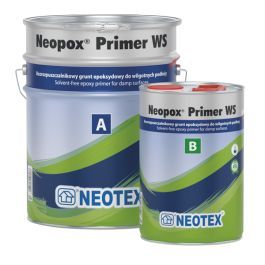
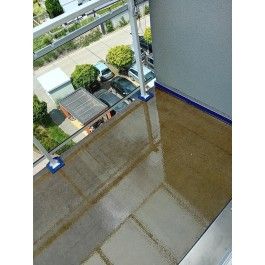
- Product
- Priming
A solvent-free, epoxy primer that strengthens cementitious substrates. For interior and exterior use.
From 684.86 PLN

Exterior concrete surfaces require proper protection to ensure they last for years. Concrete resin is a material that not only protects concrete from damage but also adds aesthetic appeal.
Concrete resin is a specialized material used to protect and finish concrete surfaces. It is a synthetic substance based on polymers such as epoxies, polyurethanes, and polyureas
Outdoor concrete surfaces are exposed to weather conditions such as rain, snow, frost, and UV radiation. Resin protects concrete against:
Additionally, the resin-coated surface looks modern and aesthetically pleasing, which undoubtedly increases the visual value of the investment and also affects the entire surrounding space.
Resins used outdoors have a number of properties that make them an ideal choice:
Depending on your needs and conditions, you can choose different types of resins:
Ideal for surfaces exposed to intense stress. It is characterized by high durability and chemical resistance, but may be less resistant to UV radiation. Therefore, for outdoor applications, it is most often recommended to cover it with another type of resin, such as polyurethane, which is UV-resistant.
More flexible than epoxy resin and resistant to fluctuating temperatures, it's ideal for outdoor applications where surfaces are exposed to sunlight. These materials are typically tintable, allowing you to achieve any color on a vehicle, parking lot, or ramp. Polyurethane resin is an excellent choice for protecting outdoor concrete from late spring to early fall, as it requires positive temperatures, typically around +10°C, for proper application.
Also known as polyurea resin, it creates a quick-drying and highly durable surface. It's suitable for areas requiring rapid completion of work. Furthermore, projects using this type of material can be completed at relatively low temperatures, close to 0°C. In such conditions, the polyurea resin cures without any problems. It's worth remembering that polyurea coatings are also highly flexible, making them ideal for various types of ramps, balconies, and other outdoor areas where the building or substrate is subject to some stress.
Resin application requires proper substrate preparation, as well as several other steps to ensure the entire process is effective. The basic steps to take are:
To ensure that the resin surface continues to function as long as possible:
Although concrete resin is a permanent solution, there are some issues that can arise:
A solvent-free, epoxy primer that strengthens cementitious substrates. For interior and exterior use.
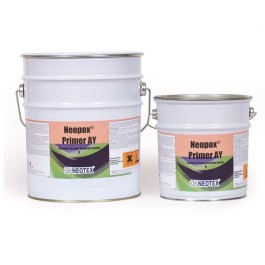
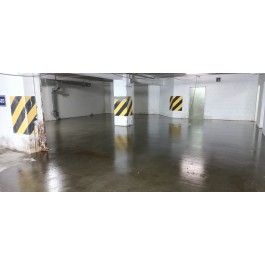
Solvent-free epoxy primer intended for use on concrete with no or improperly installed damp proofing.
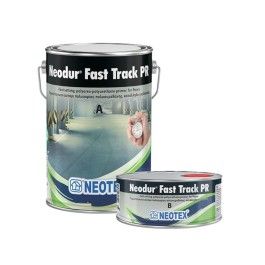
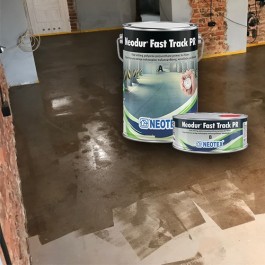
A systemic primer for use under Neodur Fast Track polyurea/polyaspartic flooring resin. It can be applied at low temperatures, down to -10°C. It allows for the application of the surface within 3 hours of applying the primer (at +25°C).
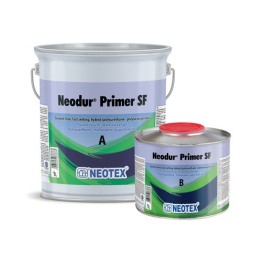
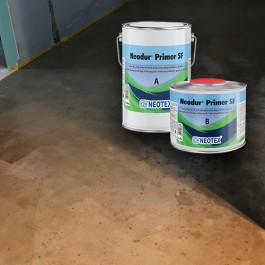
A hybrid primer (polyurethane-polyurea) that allows for topcoat application in just 3 hours. It provides high mechanical and chemical resistance.
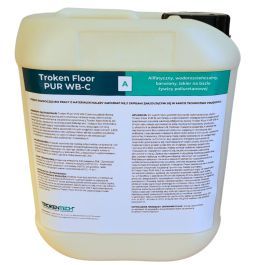
Troken Floor PUR WB-C is a two-component, water-based, colored coating with a satin finish based on polyurethane resin. It is characterized by full UV resistance and bacteriostatic properties. It is designed to create a topcoat in the Troken Floor PUR SL 60.
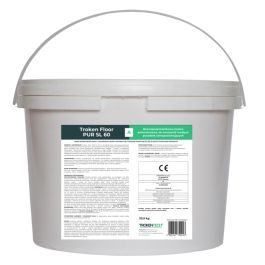
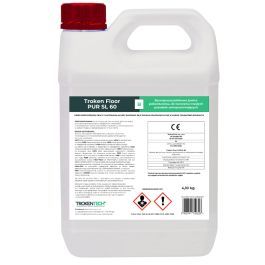
Troken Floor PUR SL 60 is an aromatic, odorless, two-component, flexible polyurethane coating designed for industrial and decorative floors in residential and public buildings. This self-leveling product has self-venting properties. The coating is highly mechanically and chemically resistant, and available in a variety of colors.
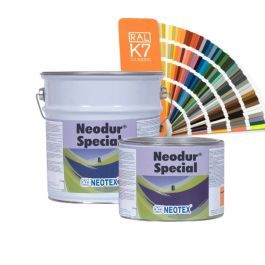
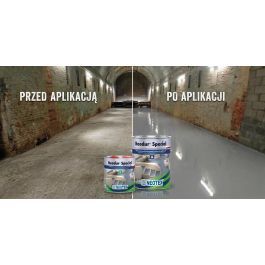
Polyurethane resin is resistant to UV radiation and other atmospheric factors. It provides high mechanical and chemical resistance.
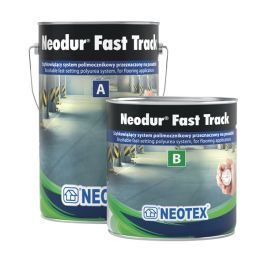
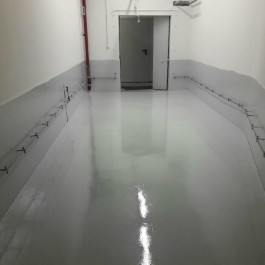
A polyaspartic/polyurea flooring resin that allows for application of the entire system within 8 hours. It provides a coating with high mechanical resistance. It cures at lower temperatures, even down to -10°C.
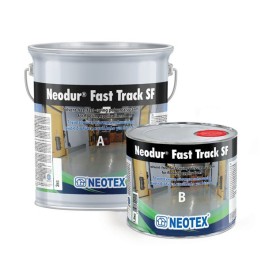
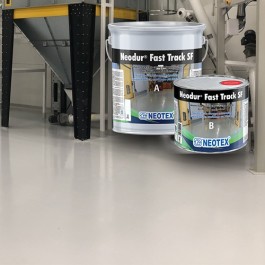
Solvent-free, high-build polyurea/polyaspartic resin. Complete system (primer + two resin coats) in 9 hours (at 25°C). Can also be applied at low temperatures, down to -10°C.
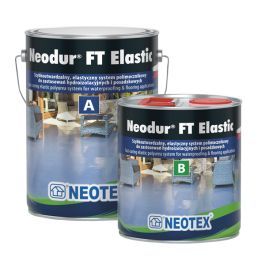
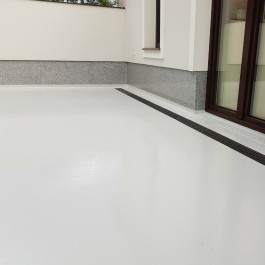
A polyaspartic resin that provides waterproofing and aesthetics on terraces and balconies. Resistant to weather conditions and UV radiation.
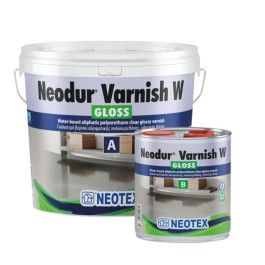
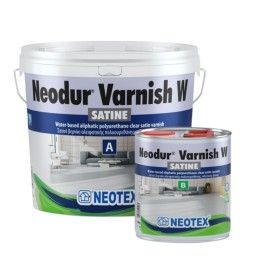
A varnish for protecting resin, concrete, microcement, and brick floors. UV-resistant – non-yellowing. Available in three finishes: Matte, Satin, and Gloss.
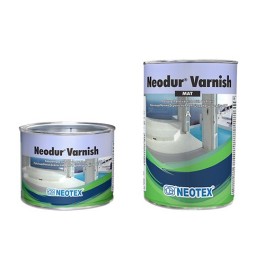
Polyurethane varnish for walls and floors. Protects concrete, brick, and resins. Available in two finishes: glossy and semi-matte. UV-resistant.
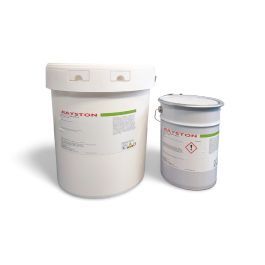
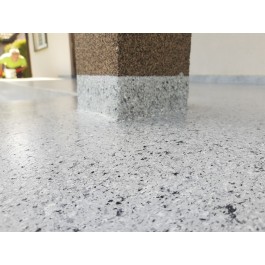
A two-component, water-based aliphatic resin. Creates a hard, abrasion-resistant surface.
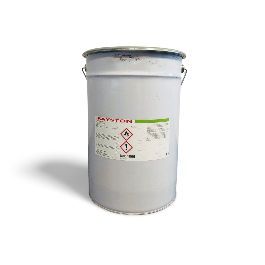
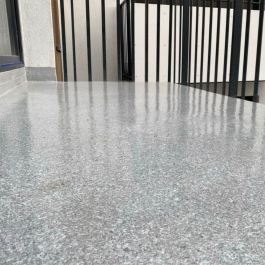
A single-component polyurethane resin for use as a sealing layer on floors. Suitable for outdoor use, it is UV-resistant.
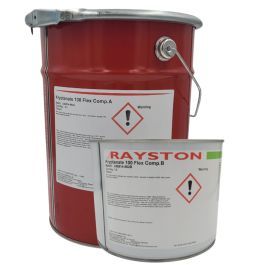
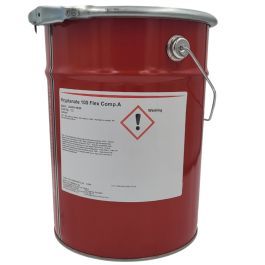
Kryptanate 100 Flex is a two-component, solvent-free, fast-drying polyaspartic varnish. It features short curing times, excellent abrasion, UV, and weather resistance, and the ability to apply thicker layers, up to 500 g/m²,when applied manually. This transparent and flexible resin is perfect for sealing colored sands.
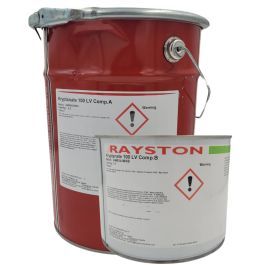
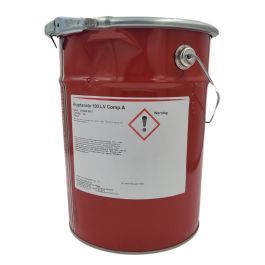
Kryptanate 100 LV is a two-component, fast-drying, low-viscosity, polyaspartic system with excellent chemical resistance, suitable for manual application. This transparent resin is ideal for sealing resin coatings.
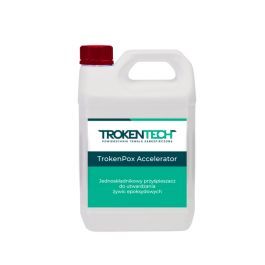
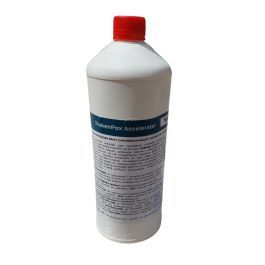
TrokenPox Accelerator is a specialized primer additive designed to accelerate the curing process of epoxy resins. It shortens epoxy curing time by up to 6 hours, even at low temperatures.
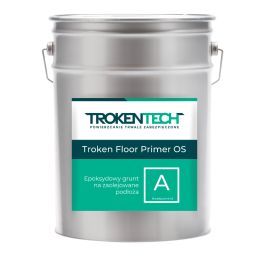
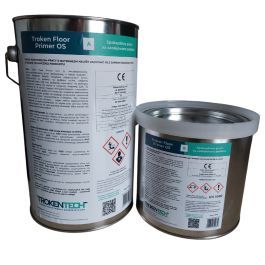
A two-component, solvent-free epoxy primer for dry and oiled concrete substrates. It strengthens the substrate, creates a bonding layer, and adheres perfectly to concrete surfaces.
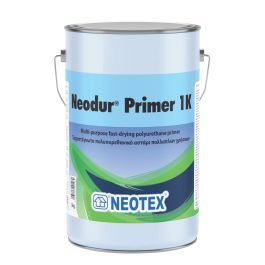
A single-component polyurethane primerdesigned for surface preparation before applying resin systems. Ideal for asphalt, cement, and metal. Quick-drying and flexible, it provides excellent adhesion and shortens project implementation time.
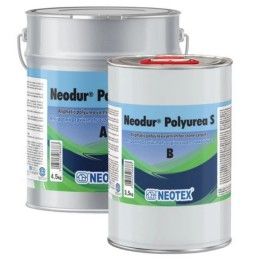
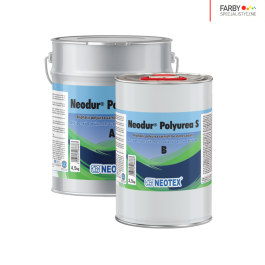
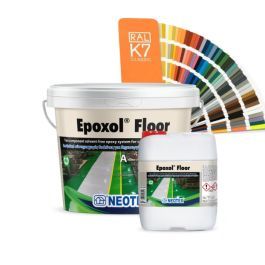
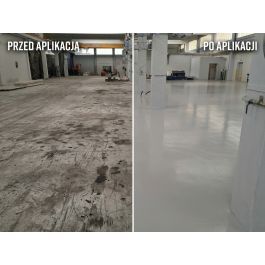
Epoxy resin for floor screeds. Self-leveling and solvent-free, resistant to chemicals (alkalis, diluted acids, gasoline, oils, and many solvents), available in a wide range of RAL colors. Certified for contact with food and alcohol, it can be used in food production and processing areas.
Yes, most outdoor resins are resistant to low temperatures, provided they have been applied and cured correctly.
Yes, resin is one of the most effective and aesthetically pleasing ways to protect concrete. Thanks to its properties, it significantly extends the surface's durability.
Curing time depends on the resin type and weather conditions. Typically, the process takes from several hours to several days.
Yellowing can occur with low-quality resins or those that are insufficiently UV-resistant due to their aromatic chemical structure. Therefore, it's worth choosing products with high UV resistance, which are based on aliphatic resins.

Proven products
We offer products with high durability and technical parameters, ensuring long-lasting results.

Help in choosing
Wondering which products will best suit your needs? Call us – we'll advise you and choose the right solution.

Contractor support
Need help with construction work? Let us know, and we'll recommend trusted contractors.

Stationary points
Want to pick up your products in person? Or perhaps you'd prefer to chat face-to-face? Visit our branches in Warsaw, Wrocław, Katowice, or Gdańsk.

Wholesale orders
Looking for systems and products for investment? Send us your phone number and we'll call you back with an offer including an investment discount.