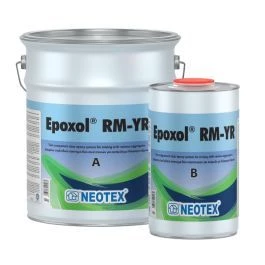
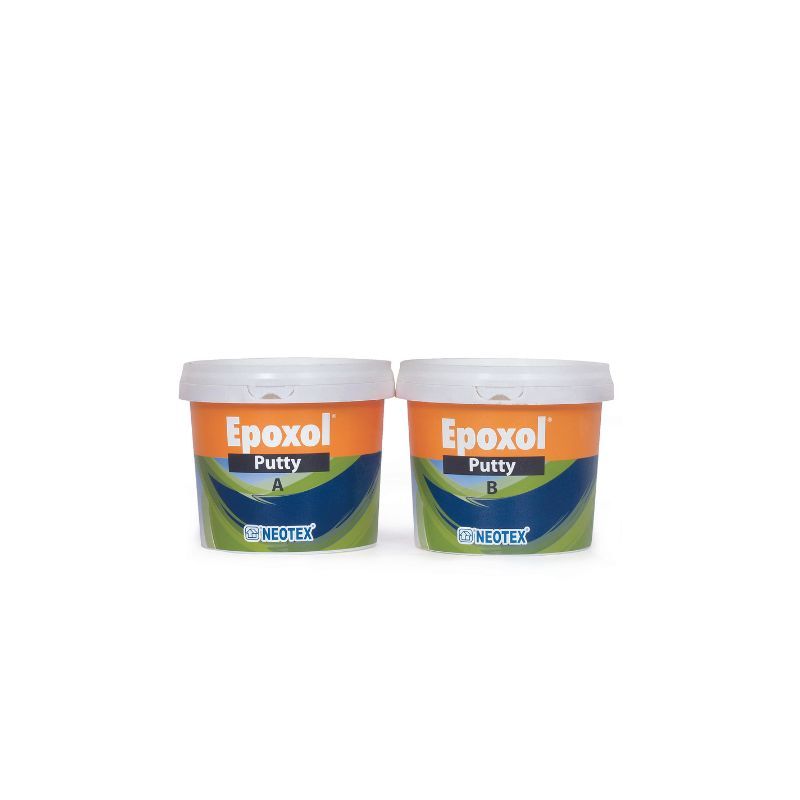
Epoxol Putty is a two-component epoxy putty. It has a variety of applications requiring resistance to thermal and mechanical shrinkage, corrosive environments, and waterproofing. Recommended for strong bonding of metals, concrete, wood, ceramics, building materials, polyester, and hard plastics such as PVC. Suitable for bonding aluminum, copper, iron, other metals and their alloys, porcelain, and pipes, as well as for repairing water and chemical tanks. Also suitable for automotive repairs, yachts, boats, fuel tanks, and sewage pipes. Epoxol Putty can also be reinforced with glass fiber, carbon fiber, and aramid fibers (Kevlar). Suitable for use on electrical and electronic components (as a matrix or sealant).
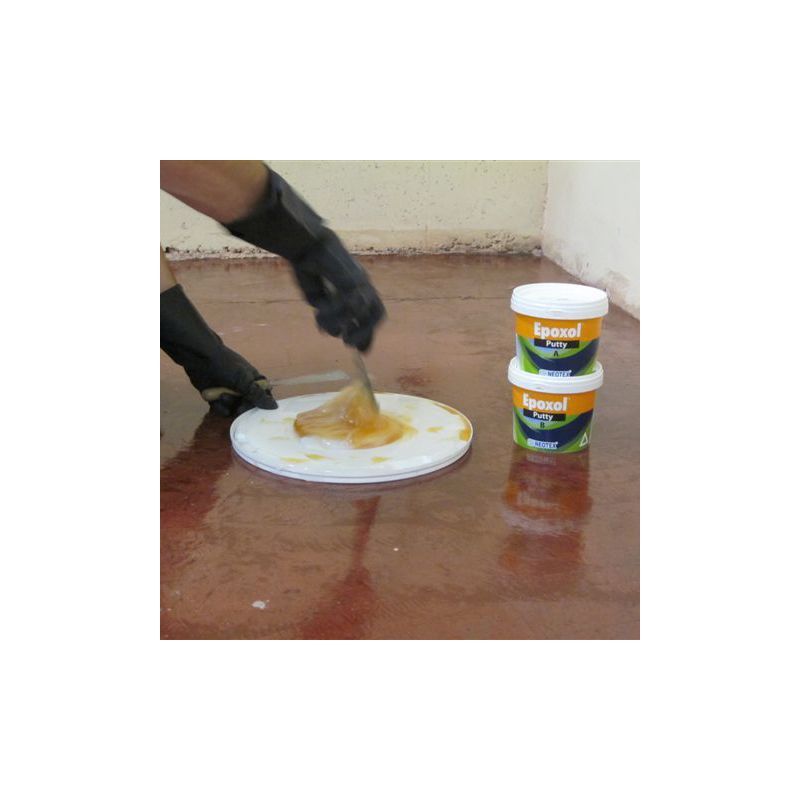
Epoxol Putty epoxy putty - application:
By combining components A and B in the appropriate proportions, you can obtain a flexible or rigid version:
- Flexible putty - 1A:2B (the putty retains its flexibility even after hardening; do not use under other coatings, as working with the flexible putty may cause them to crack)
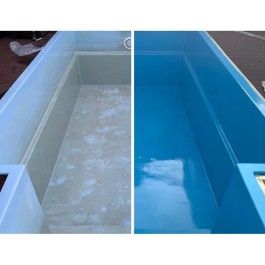
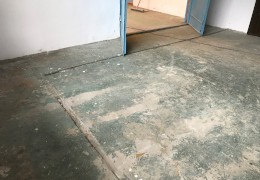
- Hard mass, putty for cavities in floors, swimming pools, tanks - 1A:1B
- Very hard mass, putty, to be sanded after hardening - 2A:1B
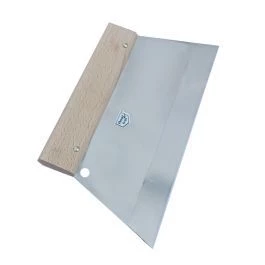
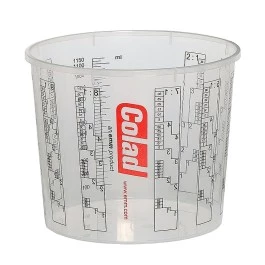
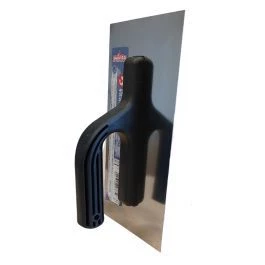
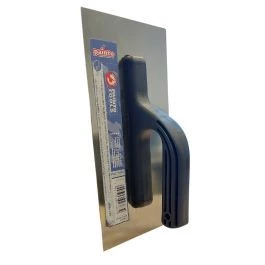
When using the product, it's crucial to use separate spatulas for component A, component B, and separate spatulas for mixing the components together. Avoid contaminating the components in their containers, as this will cause a reaction. Partial hardening of component A may occur if stored or transported at temperatures below 10°C. To reverse this process, warm the product to 40-50°C until it returns to its original consistency. Both components should be at room temperature before use.





 Anti-corrosion
 Fireproof
 Resin floors
 Roofs
Roofs
 Tanks and pools
 Terraces and balconies
 Hygienic paints
 Facades and interiors
 Accessories
 Call:
Call:




 +48 717 026 346


 +48 717 026 346