




 Anti-corrosion
 Fireproof
 Resin floors
 Roofs
Roofs
 Tanks and pools
 Terraces and balconies
 Hygienic paints
 Facades and interiors
 Accessories
 Call:
Call:
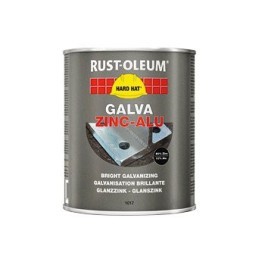
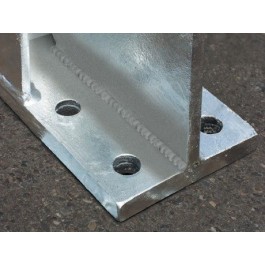
A quick-drying metallic galvanized coating that provides cathodic protection and a metallic finish. Contains zinc and aluminum pigment. Highly resistant and easy to apply.
From 336.36 PLN

Cold galvanizing is a method of protecting metal from corrosion by applying a zinc-rich coating without the need for high temperatures. Unlike hot-dip galvanizing, this process does not require immersing the components in molten zinc, making it more flexible and easier to perform on-site.
Zinc paint creates a protective coating that works in two ways:
Thanks to these mechanisms, cold galvanizing provides long-lasting anti-corrosion protection.
Cold galvanizing is particularly recommended in the following cases:
There are various preparations available on the market, including:
The selection of the appropriate preparation depends on the type of surface, operating conditions and application method.
2. Surface preparation
To ensure the effectiveness of cold galvanizing, the surface should be
Cold galvanizing can be applied in several ways:
Depending on the product and the desired coating thickness, multiple coats may be necessary. Each coat should be applied only after the previous one has completely dried.
After application, allow the paint to fully cure, which can range from several hours to several days. If necessary, you can further protect the coating with a topcoat.
A quick-drying metallic galvanized coating that provides cathodic protection and a metallic finish. Contains zinc and aluminum pigment. Highly resistant and easy to apply.
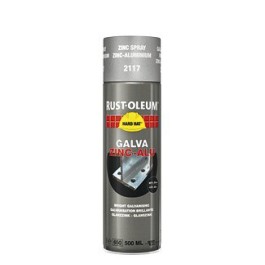
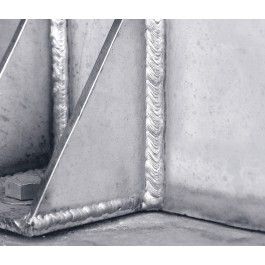
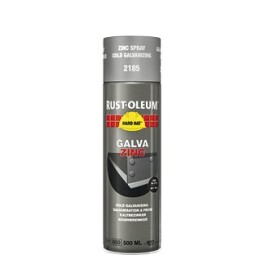
Provides anti-corrosion, cathodic protection for steel. Suitable for application to small surfaces, filling gaps, and for repair work. Leaves an aesthetically pleasing finish.
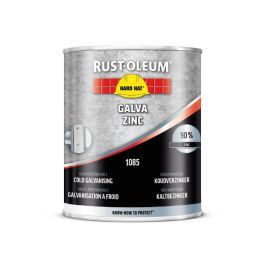
An anti-corrosion coating with a 90% zinc content in the dry film. Provides cathodic protection. For use on new or very clean steel surfaces.
A fast-drying, cold galvanizing product. For use on new or cleaned steel surfaces. Based on polyhydroxyether resin.
The durability of cold galvanized metal depends on coating thickness, environmental conditions, and application quality. A well-applied coating can protect the metal for many years.
Yes, most cold-galvanized zinc coatings are paintable. Ensure the coating is dry and cured before applying a topcoat.
Hot-dip galvanizing involves dipping metal in molten zinc, which provides a highly durable coating. Cold galvanizing works by applying a zinc coating over paint, allowing for easier and more localized application.
Cold galvanizing, such as Galva Zinc or Galva Zinc Spray , is an excellent solution for protecting metal from corrosion, especially in hard-to-reach areas. Proper surface preparation and the use of high-quality products can achieve durable and effective corrosion protection.

Proven products
We offer products with high durability and technical parameters, ensuring long-lasting results.

Help in choosing
Wondering which products will best suit your needs? Call us – we'll advise you and choose the right solution.

Contractor support
Need help with construction work? Let us know, and we'll recommend trusted contractors.

Stationary points
Want to pick up your products in person? Or perhaps you'd prefer to chat face-to-face? Visit our branches in Warsaw, Wrocław, Katowice, or Gdańsk.

Wholesale orders
Looking for systems and products for investment? Send us your phone number and we'll call you back with an offer including an investment discount.