In today's catering and food industries, increasing emphasis is placed on using materials that are not only durable but, above all, safe for health. One such material is food-grade resin , which meets sanitary requirements while also being exceptionally durable and aesthetically pleasing.
What is food grade resin?
Food-grade resin is a specialized coating material designed for safe use in food-related environments. These resins are used as protective coatings on floors and walls in the food industry and healthcare facilities such as hospitals and clinics.
Why is this resin safe?
The safety of resins for contact with food results from:
Chemical composition – they are made of neutral materials that do not react with food and do not release harmful substances.
Resistance to substances – it does not absorb odors or flavors, which is crucial in gastronomy.
Easy to clean – thanks to the even coatings, created by, among other things, food-grade epoxy resins, it's possible to maintain the required cleanliness. This prevents the creation of a microbiologically active environment.
What are the sanitary requirements for food grade resin?
Resins approved for contact with food must meet stringent standards:
No migration of chemical compounds into food.
Resistance to high temperatures and humidity.
Easy to keep clean – they must be resistant to detergents used in gastronomy.
Smooth, non-porous surface that prevents bacteria from growing.
What types of resins are safe for food contact?
There are several types of resins that can be used in foodservice and medical environments. Choosing the right type depends on the specific application and operating conditions.
Food-grade epoxy resin
Epoxy resin is one of the most frequently chosen materials. It is durable, resistant to mechanical and chemical damage, and possesses insulating properties. To be used in contact with food, it must be appropriately certified. Products based on epoxy resin, which is approved for contact with food, often work well as a protective coating on both floors and walls. This makes it a comprehensive solution for protecting rooms, ensuring the comfort of use and the safety of prepared food or medicines.
Use of food-safe resin
Food-safe resins are used in many areas, such as kitchens, canteens, and other catering facilities. However, design specifications sometimes require the use of food-safe resin in other locations, such as hospitals or other medical facilities. Food-safe epoxy resin is suitable for applications requiring easy cleaning while providing durable floor or wall protection.
What to remember when using resin?
Hygiene maintenance – surfaces made of, for example, epoxy resin intended for food contact should be regularly cleaned and maintained according to the manufacturer's recommendations. This will not only ensure the appropriate cleanliness class of the resin surfaces but also significantly extend the life of the entire coating.
Avoiding mechanical damage that may affect the integrity of the coating is crucial. It's important to familiarize yourself with all the resin manufacturer's notes and recommendations on what to avoid during the application process and subsequent use. This will ensure the food-grade resin coating retains all its essential properties for as long as possible and will translate into fewer repairs.
Temperature compatibility – Epoxy resins intended for food contact have temperature limits within which they can operate and perform their function. However, exposing them to temperatures lower or higher than those permitted can damage the resin coating.
How to choose a food-grade resin?
The selection of the appropriate resin should be preceded by verification of several parameters, such as:
Certificates – check whether the selected resin is certified for food contact. In Poland, such certificates are issued by the National Institute of Hygiene (PZH) and define the scope of application of such a product.
Durability – It's worth considering epoxy resin parameters such as compression resistance, adhesion strength, scratch resistance, and Shore A hardness. Verifying these parameters will allow you to decide whether the epoxy resin intended for food contact will have adequate durability and will be able to serve you for years.
Aesthetics – one of the criteria taken into account when selecting the right resin is the appearance of the final surface. Not every product can be colored or create a perfectly smooth surface with a so-called mirror effect, so it's worth checking this when selecting resin products for subsequent food contact at their intended destination.
Usage conditions – these are one of the key parameters to consider when choosing resin products. Each product operates in a different temperature range, has different chemical resistance, and has different abrasion resistance. Checking these at the outset will help you choose the right resin-based product.
How to care for resin surfaces?
To maintain the properties of the resin, it must be properly cared for:
Use mild cleaning agents within the manufacturer's recommended pH range. This will allow the coating to maintain its properties for years while maintaining its aesthetic appeal, both in terms of color and scratch resistance.
Avoid sharp tools such as wire brushes, which can scratch and damage the resin coating on both the wall and floor. Manufacturers typically recommend soft-bristled mops and soft cloths. Of course, all necessary information regarding resin maintenance and use should be included in the manufacturer's technical data sheet for each product.
Regularly check the condition of the coating – if cracks or other serious damage appear, it's worth considering refinishing the coating. Any damage to the top layer of the resin coating can affect its durability. Of course, this also makes it somewhat difficult to keep the resin surface clean and affects its aesthetics.
Product offer
Active filters
NOTE: THIS IS A WATER-BASED PRODUCT. Select temperature-controlled shipping to receive your product on the promised date, regardless of weather conditions. Standard shipping may be delayed due to temperatures below 5°C encountered along the delivery route.
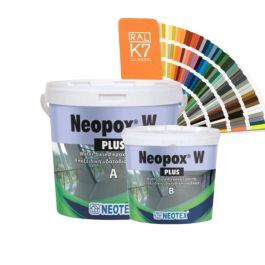
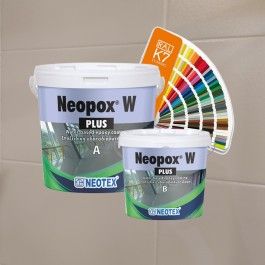
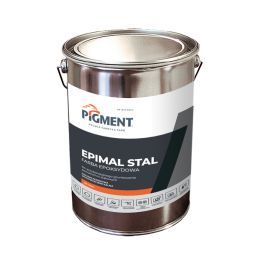
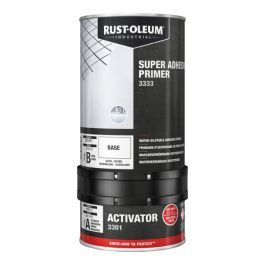
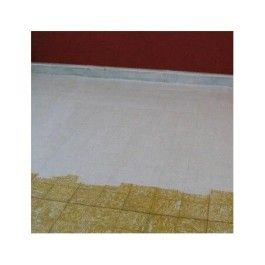
Water-based, two-component epoxy paint. Designed for surfaces exposed to frequent cleaning. Suitable for painting drinking water tanks and tiles. Certified by the National Institute of Hygiene (PZH).
NOTE: THIS IS A WATER-BASED PRODUCT. Select temperature-controlled shipping to receive your product on the promised date, regardless of weather conditions. Standard shipping may be delayed due to temperatures below 5°C encountered along the delivery route.
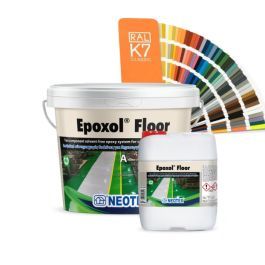
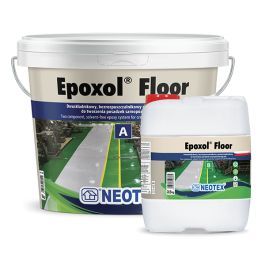
Epoxy resin for floor screeds. Self-leveling and solvent-free, resistant to chemicals (alkalis, diluted acids, gasoline, oils, and many solvents), it is available in a wide range of RAL colors. It has a Greek hygiene certificate and is certified for contact with food and alcohol, making it suitable for use in food production and processing areas.
NOTE: THIS IS A WATER-BASED PRODUCT. Select temperature-controlled shipping to receive your product on the promised date, regardless of weather conditions. Standard shipping may be delayed due to temperatures below 5°C encountered along the delivery route.
NOTE: THIS IS A WATER-BASED PRODUCT. Select temperature-controlled shipping to receive your product on the promised date, regardless of weather conditions. Standard shipping may be delayed due to temperatures below 5°C encountered along the delivery route.
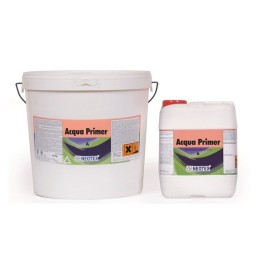
Primer for use on various substrates: concrete, plaster, gypsum, brick, wood and wood-like materials, and plasterboard. Once applied, it creates a transparent layer. For indoor and outdoor use under water-based epoxy paints.
NOTE: THIS IS A WATER-BASED PRODUCT. Select temperature-controlled shipping to receive your product on the promised date, regardless of weather conditions. Standard shipping may be delayed due to temperatures below 5°C encountered along the delivery route.
NOTE: THIS IS A WATER-BASED PRODUCT. Select temperature-controlled shipping to receive your product on the promised date, regardless of weather conditions. Standard shipping may be delayed due to temperatures below 5°C encountered along the delivery route.
Not every epoxy resin is approved for food contact, but this type of resin typically meets all the stringent standards required to obtain the appropriate certification. A PZH (National Institute of Hygiene) certificate confirms whether a resin is approved for food contact, and should be available for inspection from the manufacturer or distributor of the product.
Is natural resin poisonous?
keyboard_arrow_downkeyboard_arrow_up
Natural resins are non-toxic, provided they have been properly processed and certified for food contact. Furthermore, most food-grade resins are water-based or free of organic solvents, making them safe both during application and after use.





 Anti-corrosion
 Fireproof
 Resin floors
 Roofs
Roofs
 Tanks and pools
 Terraces and balconies
 Hygienic paints
 Facades and interiors
 Accessories
 Call:
Call: